
Commercial Real Estate Financing for Investors: Banks, Loan Terms, and Eligibility
Exploring the realm of Commercial Real Estate Financing for Investors: Banks, Loan Terms, and Eligibility, this introduction sets the stage for a comprehensive and engaging discussion that delves into the nuances of securing financing for commercial properties.
The following paragraph will provide detailed insights into the different aspects of banks, loan terms, and eligibility criteria for investors in the commercial real estate sector.

In the realm of commercial real estate financing, several major banks play a significant role in providing funding options for investors looking to purchase or develop commercial properties. These banks offer a variety of loan products tailored to the needs of commercial real estate investors.
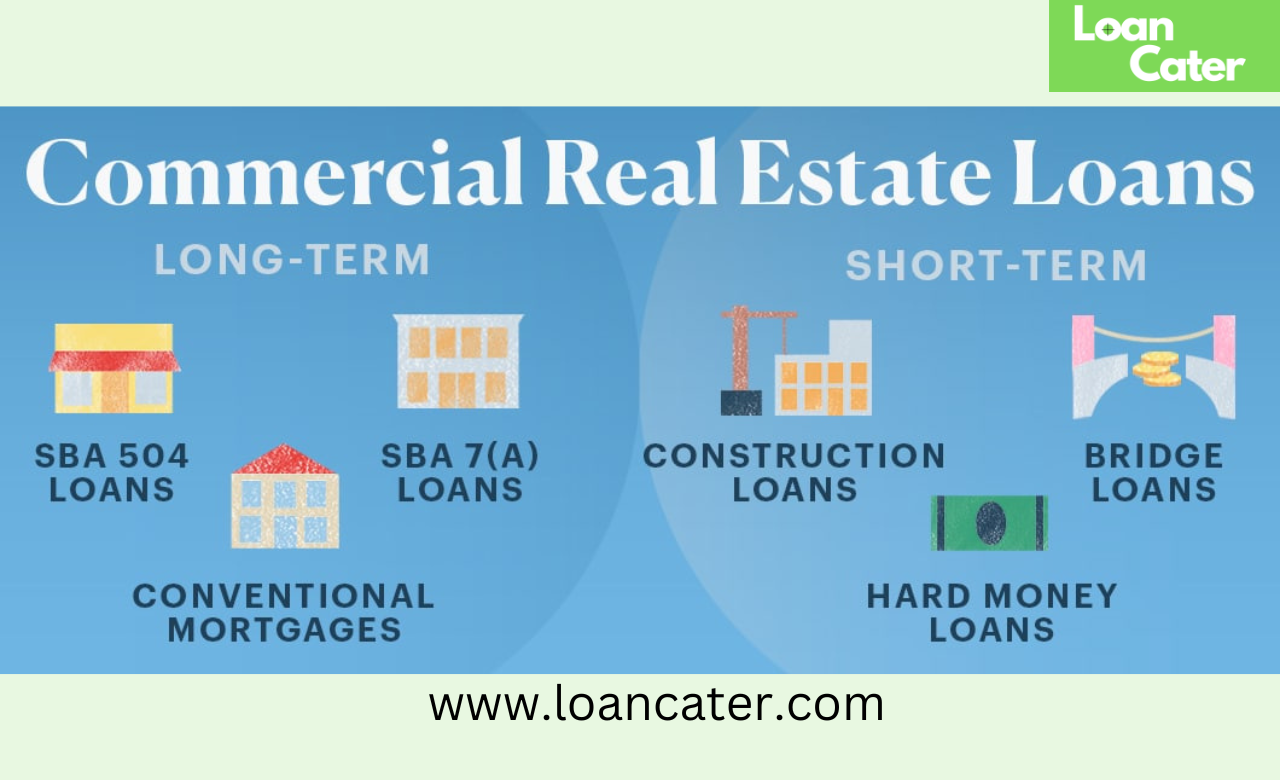
When considering loans for commercial properties, banks typically look at factors such as the investor’s creditworthiness, the property’s value, and the investor’s experience in real estate. Loan products offered by banks may include traditional commercial mortgages, construction loans, and bridge loans.
Commercial real estate loans from banks often come with competitive interest rates, which can vary depending on factors such as the investor’s credit score, the property’s location, and the loan term. Interest rates may range from around 3% to 6% for commercial mortgages, with terms typically ranging from 5 to 20 years.
When it comes to securing financing for commercial real estate, investors need to be aware of the typical loan terms and conditions they can expect. Understanding these terms is crucial for making informed decisions and maximizing the benefits of the loan.
Loan-to-Value (LTV) ratios play a significant role in commercial real estate financing. This ratio represents the amount of the loan compared to the appraised value of the property. Lenders use LTV ratios to assess the risk of the loan, with lower ratios indicating less risk.
Typically, commercial real estate loans require lower LTV ratios compared to residential loans, often ranging from 65% to 80%.
Commercial real estate loans can be classified into two main categories: fixed-rate and adjustable-rate loans. Fixed-rate loans have a consistent interest rate throughout the loan term, providing stability in monthly payments. On the other hand, adjustable-rate loans have interest rates that can fluctuate based on market conditions, potentially leading to variations in monthly payments.
Investors must consider their risk tolerance and financial goals when choosing between these two options.
Securing a commercial real estate loan also involves various fees and costs that investors need to be aware of. These may include origination fees, appraisal fees, underwriting fees, closing costs, and prepayment penalties. Understanding these fees and costs upfront can help investors budget effectively and avoid any surprises during the loan process.
Investors seeking commercial real estate financing must meet specific eligibility requirements to qualify for loans. These requirements are crucial in determining whether an investor is capable of managing the financial responsibilities associated with commercial real estate investments.
To qualify for commercial real estate financing, investors need to have a good credit score and a solid financial history. Lenders use these factors to assess the investor’s ability to repay the loan. A high credit score and a clean financial record demonstrate financial responsibility and increase the chances of loan approval.
Experience in commercial real estate plays a significant role in determining an investor’s eligibility for financing. Lenders prefer to work with investors who have a proven track record in managing commercial properties successfully. Experienced investors are more likely to navigate the complexities of commercial real estate investments and mitigate risks effectively.
What criteria do banks consider when offering loans for commercial properties?
Banks typically look at factors like the borrower’s creditworthiness, property value, and income potential when considering loans for commercial real estate investments.
How do loan-to-value (LTV) ratios impact commercial real estate financing?
LTV ratios play a crucial role in determining the amount of financing a lender is willing to provide based on the appraised value of the property.
Why is an investor’s experience in commercial real estate important for securing financing?
Lenders often prefer experienced investors as they demonstrate a higher likelihood of successfully managing commercial properties and repaying loans.