Commercial Building Insurance for Mixed-Use Properties: Limits and Exclusions
Commercial Building Insurance for Mixed-Use Properties: Limits and Exclusions sets the stage for this enthralling narrative, offering readers a glimpse into a story that is rich in detail with casual formal language style and brimming with originality from the outset.
In this article, we will delve into the typical coverage limits for property damage, how liability limits are determined, common exclusions in insurance policies, and special considerations for insuring mixed-use properties.
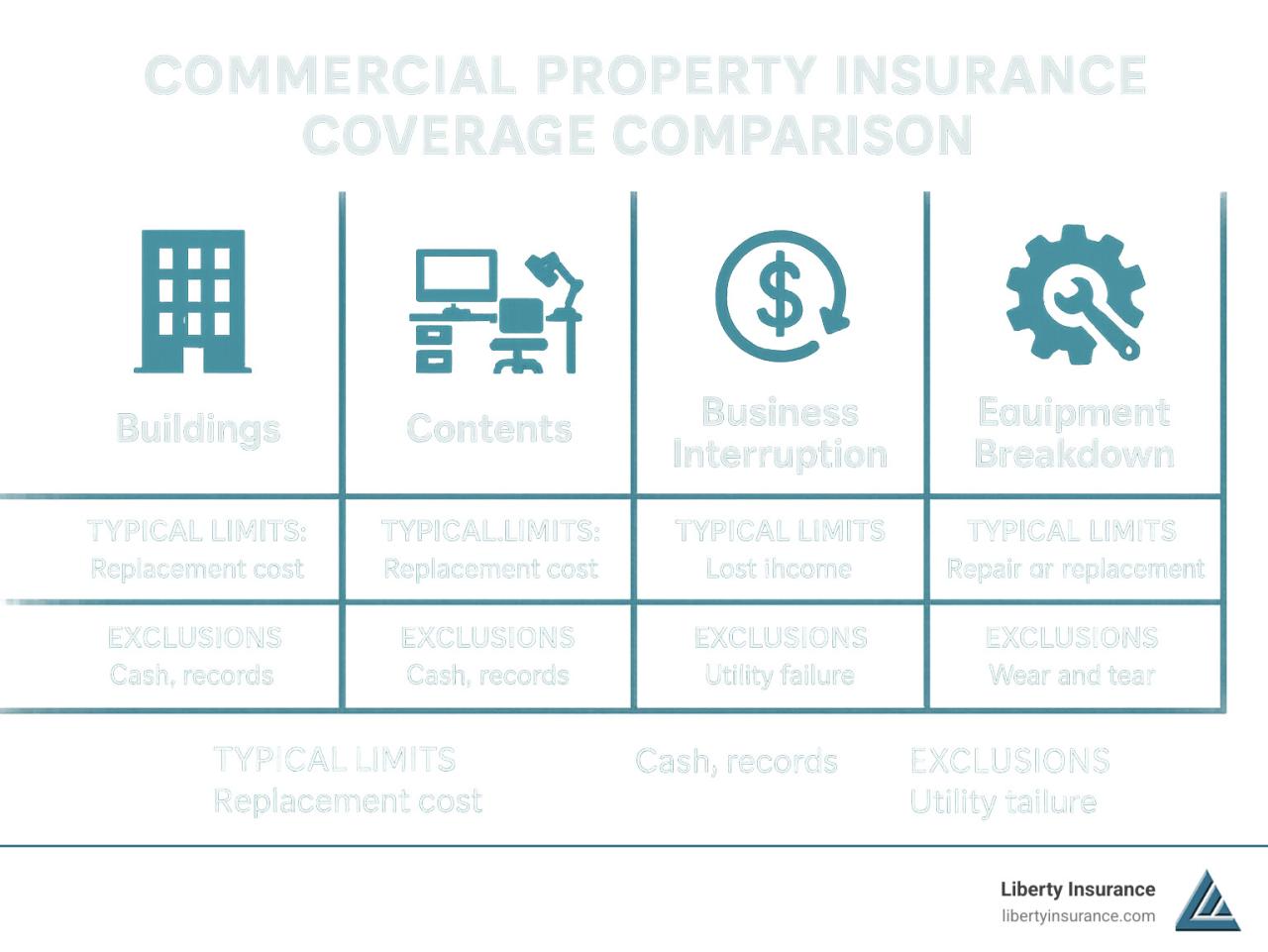
Commercial building insurance for mixed-use properties typically comes with specific limits to coverage for property damage and liability. These limits are crucial in determining the extent of protection offered to property owners and tenants.
Property damage coverage limits in commercial building insurance for mixed-use properties are usually determined based on the value of the property. Insurance companies assess the replacement cost of the building and set a limit that represents the maximum amount they will pay in case of damage or loss.
It is essential for property owners to ensure that the coverage limit aligns with the actual value of the property to avoid being underinsured in the event of a claim.
Liability limits in commercial building insurance for mixed-use properties are established to protect property owners from potential lawsuits and claims. These limits define the maximum amount the insurance company will pay for legal expenses, medical bills, and damages resulting from third-party injuries or property damage on the premises.
Liability limits are typically based on factors such as the size of the property, the number of tenants, and the level of risk associated with the property’s use.
Insurance companies may impose restrictions on coverage limits based on the type of property or its location. Properties located in high-risk areas or those with unique features such as historical buildings or mixed-use developments may have lower coverage limits or higher premiums.
It is essential for property owners to review these restrictions carefully and consider any additional coverage options to ensure adequate protection for their mixed-use properties.
Exclusions in commercial building insurance for mixed-use properties are specific situations or types of damage that are not covered by the insurance policy. These exclusions can have a significant impact on coverage for property owners, as they may leave certain aspects of the property vulnerable in case of an incident.
It is important for property owners to be aware of these exclusions to understand the limitations of their insurance coverage.
Some common exclusions in commercial building insurance for mixed-use properties may include:
The impact of these exclusions is that property owners may not receive coverage for damages or losses resulting from these specific situations. This means that they would have to bear the financial burden themselves if any of these excluded events were to occur.
It is crucial for property owners to understand these exclusions and consider additional coverage options if they want to protect their investment fully.
For instance, if a property suffers damage from a flood and the insurance policy excludes coverage for flooding, the property owner would not be able to file a claim for the damages. Similarly, if the property is infested with termites and the policy excludes coverage for pest infestations, the property owner would have to cover the costs of extermination and repairs themselves.
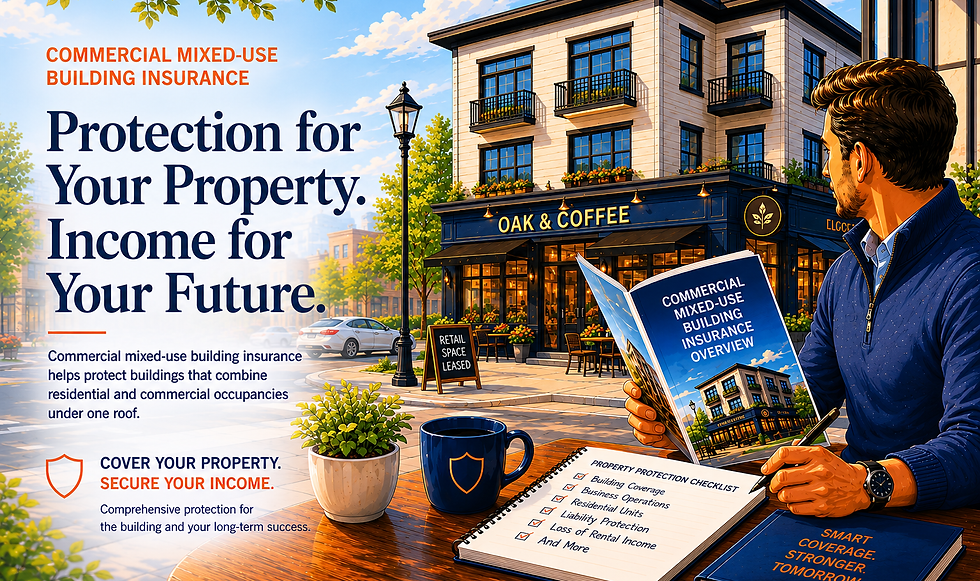
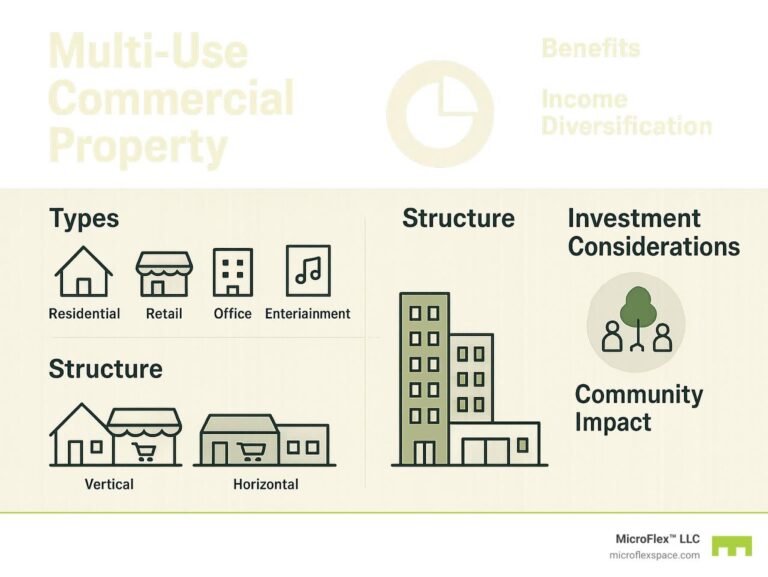
When it comes to insuring mixed-use properties, there are several unique challenges that insurance providers and property owners need to consider. These properties typically have a combination of residential, commercial, and sometimes even industrial spaces within the same building, which can complicate the insurance coverage needed.Insurance premiums for mixed-use properties are calculated based on a variety of factors, including the type of businesses operating within the building, the number of residential units, the square footage of commercial space, and the location of the property.
Insurers take into account the increased risk associated with mixed-use properties and adjust premiums accordingly.
Mixed-use properties pose challenges for insurers due to the diverse nature of activities happening within the same building. Residential units may have different risks compared to commercial spaces, and the presence of multiple businesses can increase the overall risk profile of the property.
Insurers need to carefully assess these risks to provide adequate coverage.
Insurance premiums for mixed-use buildings are determined by analyzing the specific risks associated with each type of space within the property. Factors such as the occupancy rates, the types of businesses operating, and the building’s construction materials are all taken into consideration.
Higher-risk activities or businesses may lead to higher premiums.
1. Conduct thorough risk assessments
Insurers and property owners should work together to identify potential hazards and risks within the building.
2. Implement safety measures
Installing security systems, fire alarms, and sprinkler systems can help mitigate risks and lower insurance premiums.
3. Require tenants to have their insurance
Making it mandatory for commercial tenants to have their insurance coverage can help reduce the overall risk exposure for the property owner.
4. Regular maintenance and inspections
Keeping the property well-maintained and conducting regular inspections can help prevent accidents and minimize risks.
What are typical coverage limits for property damage?
Coverage limits for property damage vary but typically range from $500,000 to $1 million. It’s important to review your policy to understand the specific limits.
How are liability limits determined for mixed-use properties?
Liability limits are usually based on factors like property size, location, and the types of businesses operating within the property. Insurance companies assess these factors to determine appropriate liability limits.
What are common exclusions in insurance policies for mixed-use properties?
Common exclusions include acts of terrorism, pollution, and certain natural disasters. It’s crucial to be aware of these exclusions to ensure you have adequate coverage.
How are insurance premiums calculated for mixed-use buildings?
Insurance premiums for mixed-use buildings are calculated based on factors like property value, occupancy types, and location. Insurance companies use this information to assess the level of risk associated with insuring the property.