How Much Does a Commercial Property Buyers Agent Charge? Commissions and Costs
Delving into How Much Does a Commercial Property Buyers Agent Charge? Commissions and Costs, this introduction immerses readers in a unique and compelling narrative, providing an interesting overview of the topic.
Exploring the role of a commercial property buyers agent, commissions, costs, and why understanding these charges is crucial for buyers.
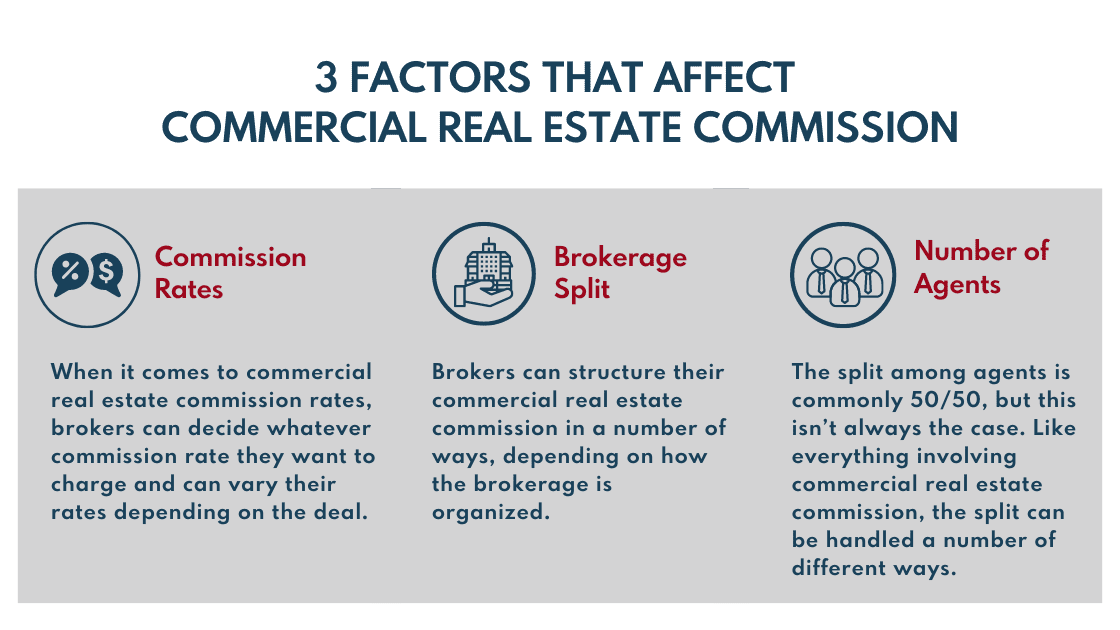
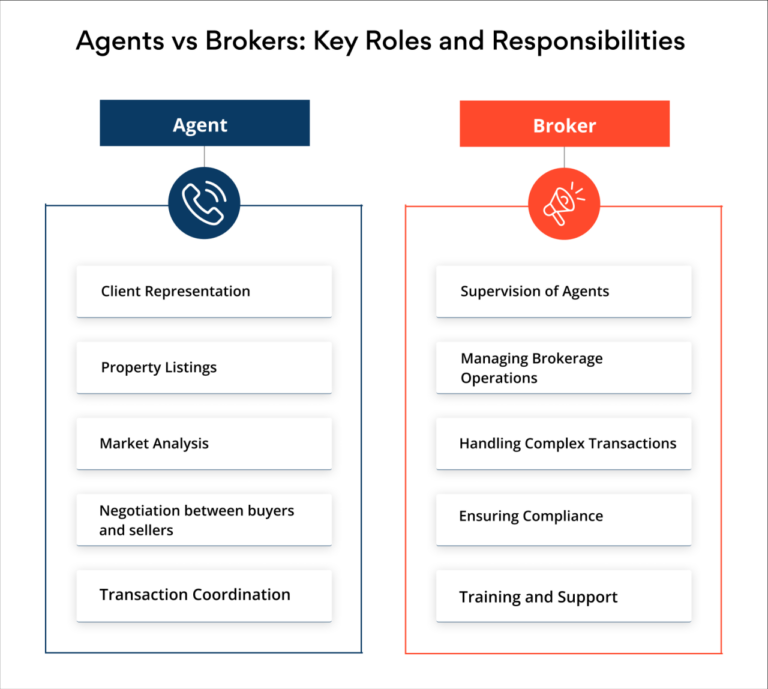
When it comes to buying commercial properties, many individuals choose to work with a commercial property buyers agent to help them navigate the complex process. These agents specialize in representing buyers in real estate transactions, providing them with valuable expertise and guidance throughout the buying process.
Commissions and costs are important aspects of engaging a commercial property buyers agent. Commissions typically refer to the fee that the agent receives for their services, usually calculated as a percentage of the final sale price. Costs, on the other hand, may include additional expenses such as administrative fees, travel costs, and any other out-of-pocket expenses incurred during the transaction.
When it comes to determining how much a commercial property buyers agent charges, several key factors come into play. Factors such as location, property type, and market conditions can significantly influence the fees that buyers agents charge. Let’s delve into these factors in more detail below.
The location of the commercial property can have a significant impact on the charges imposed by buyers agents. Agents operating in high-demand markets or prime locations may command higher fees due to the increased competition and demand for their services.
On the other hand, agents in less competitive markets or areas with lower property values may charge lower fees.
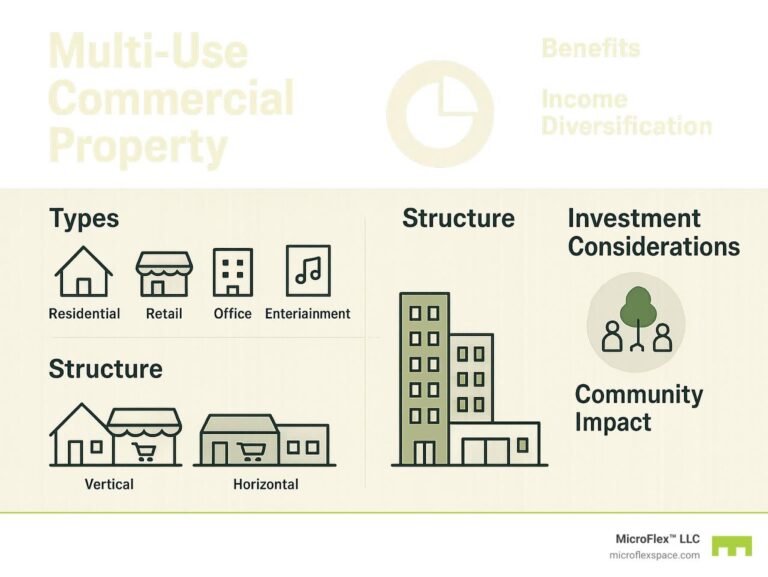
The type of commercial property being purchased can also influence the charges set by buyers agents. Different property types, such as retail, office, industrial, or mixed-use properties, may require varying levels of expertise and resources from the agent. As a result, agents may adjust their fees based on the complexity and specific requirements of the property type.
Market conditions play a crucial role in determining how much buyers agents charge. In a seller’s market where properties are in high demand, agents may charge higher fees due to the competitive nature of the market. Conversely, in a buyer’s market where properties are abundant, agents may lower their fees to attract more clients.These factors demonstrate how the charges imposed by commercial property buyers agents can vary based on location, property type, and market conditions.
By considering these factors, buyers can better understand the pricing structure of buyers agents and make informed decisions when seeking their services.
When it comes to working with a commercial property buyers agent, there are various types of commissions and costs that buyers may encounter. Understanding these different fee structures can help you make an informed decision when choosing an agent to work with.
Flat fees are a set amount that the buyer pays to the agent for their services, regardless of the property’s purchase price. This fee structure offers transparency and predictability, as buyers know exactly how much they will be charged upfront.
However, buyers should ensure that the flat fee aligns with the market rate for similar services to avoid overpaying.
Percentage-based commissions are fees calculated as a percentage of the purchase price of the commercial property. This fee structure incentivizes the agent to secure a property at the best possible price, as their commission increases with a higher purchase price.
However, buyers should be aware that higher-priced properties may result in higher commission fees.
In addition to flat fees and percentage-based commissions, buyers may encounter other potential costs when working with a commercial property buyers agent. These costs could include administrative fees, travel expenses, or additional services not covered by the standard commission structure.
It’s essential for buyers to inquire about any additional costs upfront to avoid surprises later on.
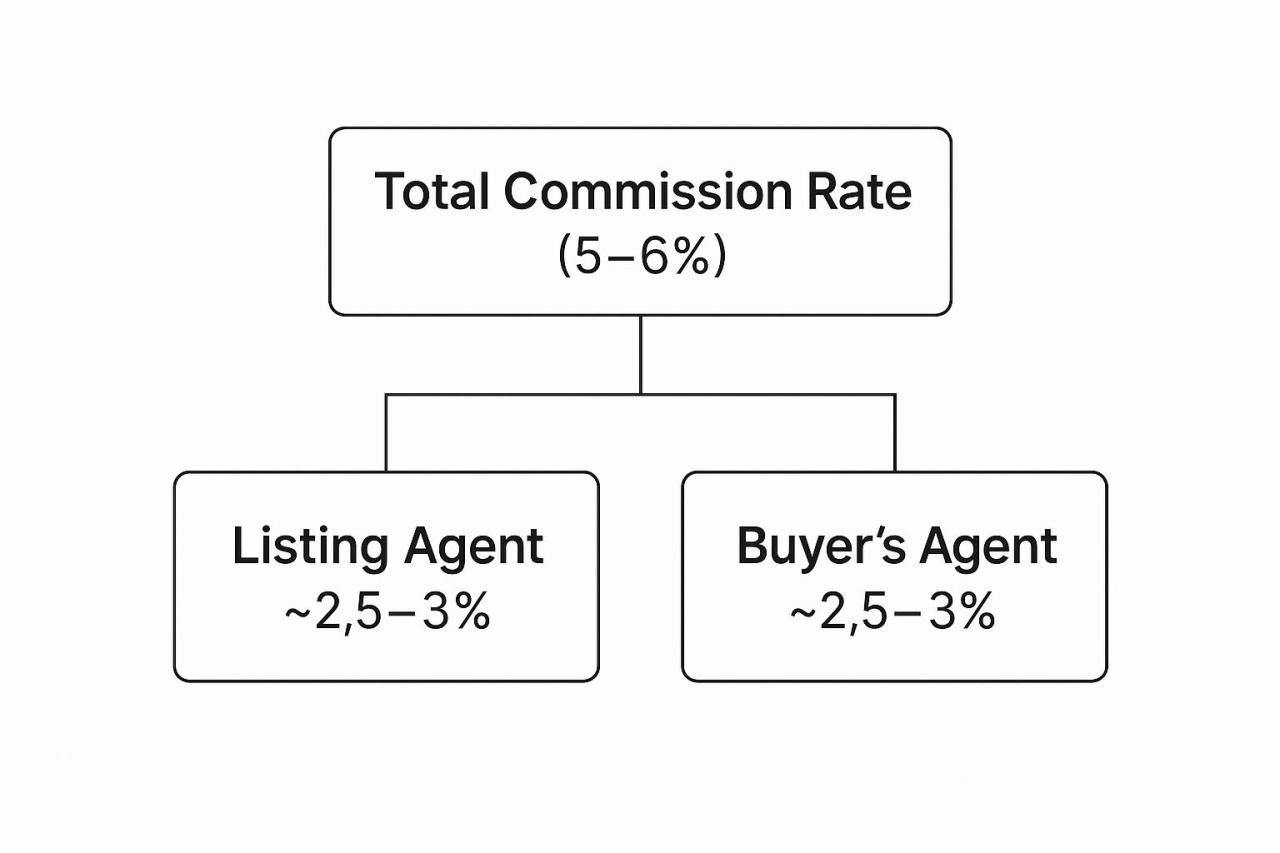
When it comes to hiring a commercial property buyers agent, negotiating fees can be a crucial step in ensuring you get the best deal possible. Here are some strategies and tips to help you navigate the fee negotiation process effectively.
Communication is key when negotiating fees with a buyers agent. Be clear about your budget and expectations upfront to avoid any misunderstandings later on. Transparency is essential to build trust and establish a good working relationship with the agent.
What factors can influence how much a commercial property buyers agent charges?
Factors like location, property type, and market conditions can play a significant role in determining agent charges.
What are the different types of commissions and costs buyers may encounter?
Buyers may encounter flat fees, percentage-based commissions, and other potential costs when working with a buyers agent.
How can buyers negotiate fees with a buyers agent?
Buyers can negotiate fees by employing strategies, tips, and emphasizing clear communication and transparency during negotiations.