Commercial Real Estate Investment Loans: Loan-to-Value Ratios and Borrowing Costs
Delving into Commercial Real Estate Investment Loans: Loan-to-Value Ratios and Borrowing Costs, this introduction immerses readers in a unique and compelling narrative, with a casual formal language style that is both engaging and thought-provoking from the very first sentence.
Exploring the relationship between Loan-to-Value Ratios and Borrowing Costs in commercial real estate investment loans sheds light on crucial aspects of financial decisions in this sector.
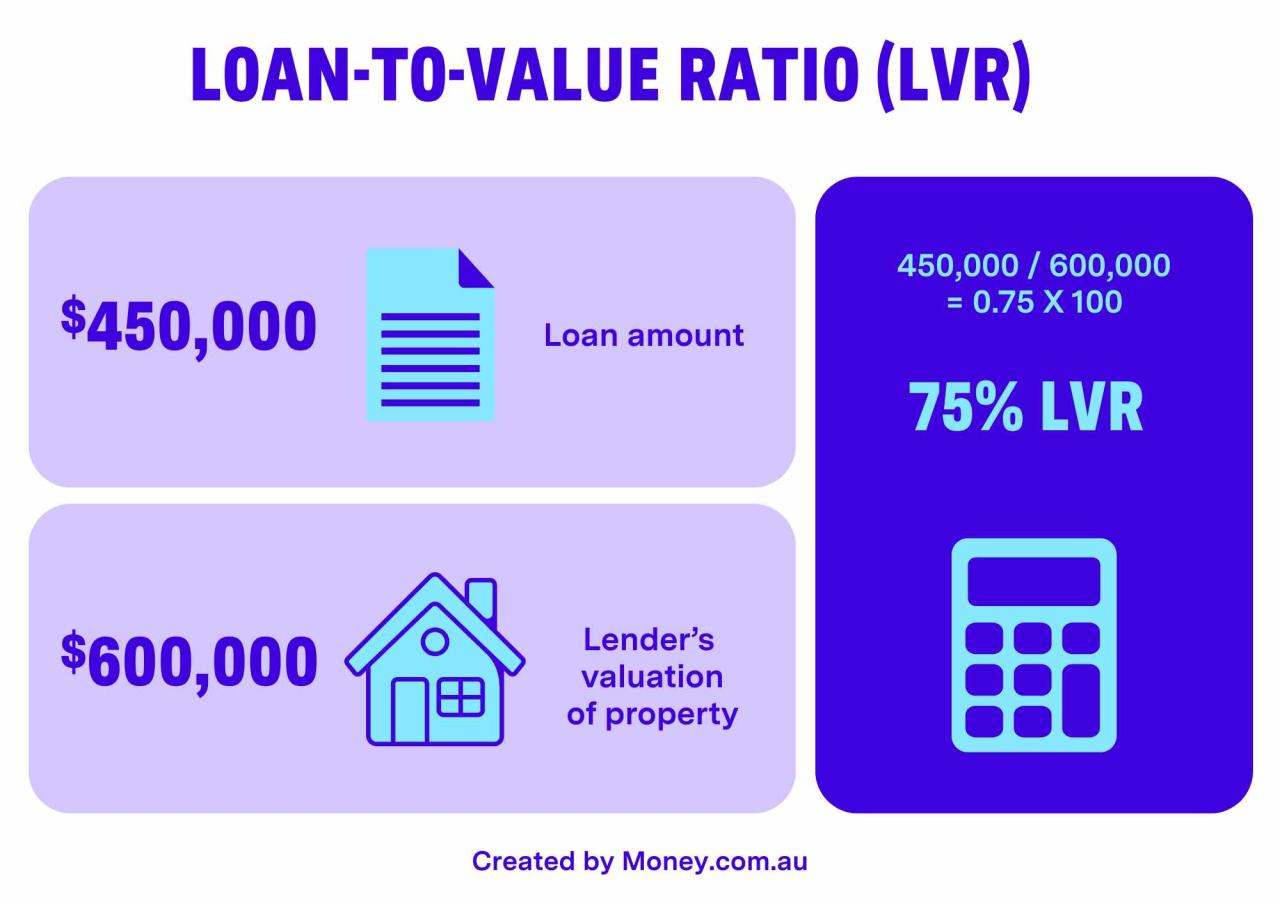
Loan-to-Value (LTV) Ratios play a crucial role in commercial real estate investment loans as they determine the relationship between the loan amount and the appraised value of the property.
Loan-to-Value Ratios are important in assessing loan risks as they indicate the level of exposure of the lender in case of default by the borrower. A lower LTV ratio signifies less risk for the lender, whereas a higher LTV ratio indicates higher risk.
Loan-to-Value Ratios directly impact borrowing costs in commercial real estate investment loans. Generally, the lower the LTV ratio, the lower the interest rates and fees charged by lenders. This is because lower LTV ratios are considered less risky, and lenders are more willing to offer better loan terms.
For example, a borrower with a LTV ratio of 60% may be able to secure a loan with a lower interest rate compared to a borrower with a LTV ratio of 80%.
When it comes to commercial real estate investment loans, borrowing costs play a significant role in determining the overall financial impact of the loan. These costs can vary depending on a variety of factors, including the type of loan, the lender, and the current market conditions.
Borrowing costs in commercial real estate investment loans typically consist of several components, including:
Interest rates have a direct impact on borrowing costs in commercial real estate investment loans. Higher interest rates result in higher monthly payments and overall costs over the life of the loan. Borrowers should carefully consider the current interest rate environment when deciding to take out a loan.
The borrowing costs for different types of commercial real estate investment loans can vary significantly. For example:
When it comes to commercial real estate investments, there are several common types of loans available to investors. These loan types can vary in terms of their structure, repayment terms, and overall costs. Understanding the different loan options is crucial for investors looking to finance their real estate ventures efficiently.
In commercial real estate investment loans, lenders assess risk to determine the likelihood of repayment and the terms of the loan. This process involves evaluating various factors to ensure the investment is sound and the borrower is capable of meeting their financial obligations.
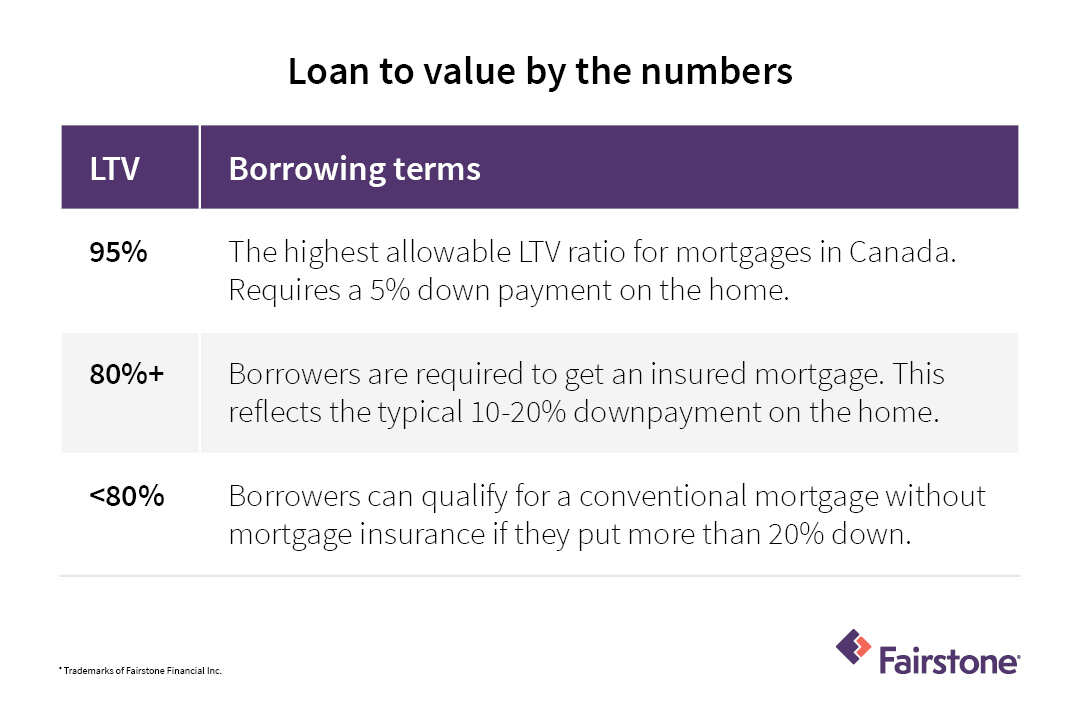
Loan-to-Value Ratios play a crucial role in risk assessment for commercial real estate investment loans. This ratio compares the amount of the loan to the value of the property being purchased. Lenders use this ratio to determine the level of risk associated with the loan.
A lower Loan-to-Value Ratio indicates less risk for the lender, as the borrower has more equity in the property.
Risk assessment directly impacts borrowing costs for commercial real estate investment loans. Lenders typically charge higher interest rates and fees for loans with higher levels of risk. Borrowers with lower Loan-to-Value Ratios and stronger financial profiles are more likely to secure loans with favorable terms and lower borrowing costs.
What is the significance of Loan-to-Value Ratios in assessing loan risks?
Loan-to-Value Ratios help lenders evaluate the amount of risk associated with a loan by determining the percentage of the property’s value that is being financed. A higher ratio indicates higher risk.
How do interest rates influence borrowing costs in commercial real estate investment loans?
Higher interest rates lead to increased borrowing costs, impacting the overall cost of the loan and potentially affecting the profitability of the investment.
What are the common types of loans available for commercial real estate investments?
Common types include traditional mortgages, SBA loans, and commercial bridge loans, each with varying terms and conditions that influence borrowing costs.
How do lenders assess risk in commercial real estate investment loans?
Lenders assess risk by considering factors like Loan-to-Value Ratios, credit history, property type, and market conditions to determine the likelihood of default and set loan terms accordingly.