Mixed-Use Commercial Property for Sale: Financing, Rental Income, and Investment Risks
Beginning with Mixed-Use Commercial Property for Sale: Financing, Rental Income, and Investment Risks, the narrative unfolds in a compelling and distinctive manner, drawing readers into a story that promises to be both engaging and uniquely memorable.
As we delve into the world of mixed-use commercial properties, we uncover a realm filled with diverse opportunities for financial growth and investment risks that are worth exploring.
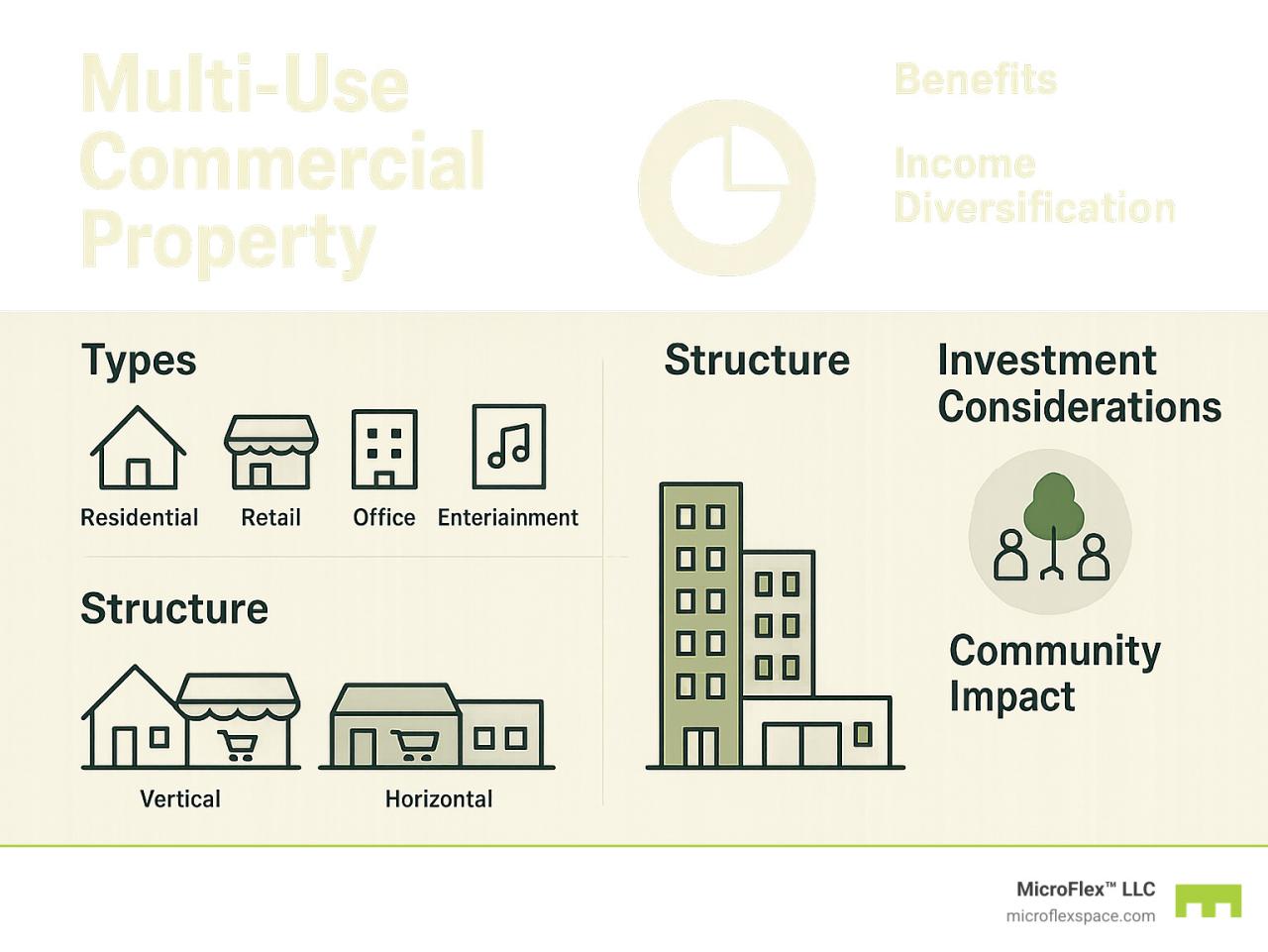
Mixed-use commercial properties combine different types of spaces, such as retail, office, residential, and even entertainment, within the same building or complex. This versatile setup allows for a dynamic and integrated environment where people can live, work, and play in one location.
Mixed-use commercial properties offer several advantages for investors, such as:

When it comes to purchasing a mixed-use commercial property, there are various financing options available. Understanding the key differences between traditional bank loans and commercial real estate loans can help you make an informed decision on how to secure financing for your investment.
Traditional bank loans are a common financing option for mixed-use commercial properties. These loans are typically offered by banks and credit unions and are subject to strict lending criteria. The application process for a traditional bank loan involves providing detailed financial information, such as credit history, income statements, and property valuations.
The interest rates for traditional bank loans are usually fixed, providing borrowers with predictable monthly payments.
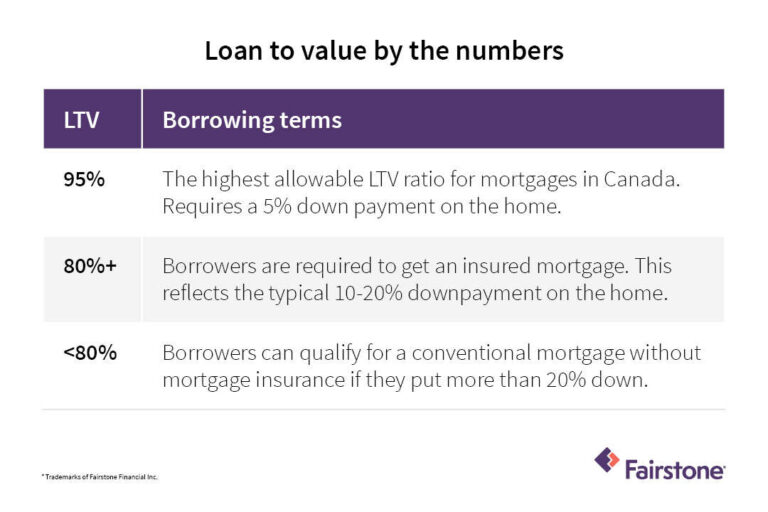
Commercial real estate loans are specifically designed for financing commercial properties, including mixed-use buildings. These loans are typically provided by specialized lenders, such as commercial banks, insurance companies, or private lenders. Commercial real estate loans often have higher loan-to-value ratios and longer repayment terms compared to traditional bank loans.
The interest rates for commercial real estate loans can be fixed or variable, depending on the lender and terms of the loan.
Securing financing for a mixed-use commercial property involves a detailed process that includes assessing your financial situation, researching potential lenders, and preparing a comprehensive loan application. It is essential to have a solid business plan and financial projections to demonstrate the viability of your investment to lenders.
Working with a commercial real estate broker or financial advisor can help you navigate the financing process and identify the best loan options for your specific needs.

Generating rental income from mixed-use commercial properties is a key aspect of maximizing the profit potential of such investments. By offering a variety of spaces for lease to different tenants, property owners can create multiple revenue streams within one property.
Investing in mixed-use commercial properties comes with its own set of risks that investors need to be aware of in order to make informed decisions. These risks can vary from those associated with other types of real estate investments, requiring specific strategies to mitigate them effectively.
What are the key benefits of investing in a mixed-use commercial property?
Investing in a mixed-use commercial property offers diversification, potential for higher rental income, and the opportunity to cater to various market segments simultaneously.
How can one mitigate investment risks in a mixed-use commercial property?
Mitigating investment risks involves thorough due diligence, diversifying property types within the mix, and having contingency plans for potential market fluctuations.
What are some unique revenue streams that can be generated from a mixed-use commercial property?
Aside from traditional rent, additional revenue streams can come from parking fees, service charges, and income generated from amenities like gyms or restaurants within the property.