Commercial Property Acquisition Costs: Due Diligence, Taxes, and Agent Fees
Commercial Property Acquisition Costs: Due Diligence, Taxes, and Agent Fees sets the stage for this enthralling narrative, offering readers a glimpse into a story that is rich in detail with casual formal language style and brimming with originality from the outset.
When diving into the realm of commercial property acquisition, understanding the intricacies of due diligence, tax implications, and agent fees becomes paramount for investors seeking success in this competitive market.

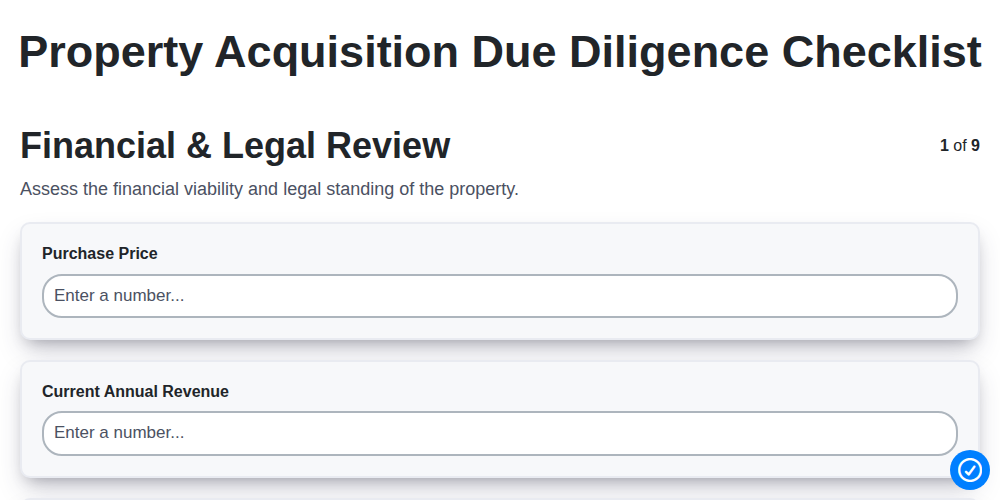
Due diligence is a crucial step in the process of acquiring commercial properties. It involves a comprehensive investigation and analysis of all relevant aspects of the property to ensure that investors are making informed decisions.
Conducting thorough due diligence can help investors mitigate risks associated with commercial property acquisitions. By uncovering potential issues or red flags early in the process, investors can make more informed decisions and negotiate better terms. It also allows investors to accurately assess the property’s value and potential for future growth, ensuring a successful investment.
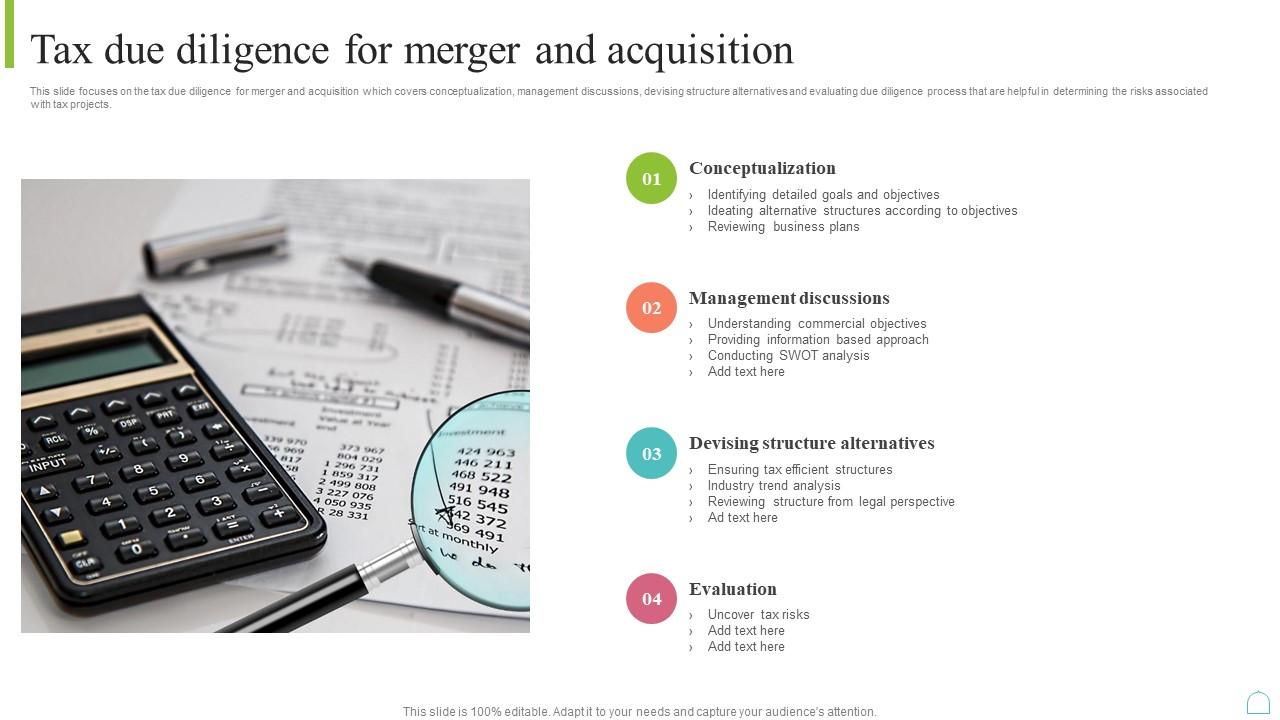
When acquiring commercial properties, it is essential to consider the various taxes involved in the process to ensure proper financial planning and compliance with regulations.Types of taxes involved in commercial property acquisitions:
Property Tax
This tax is based on the value of the property and is typically levied by local governments.
Transfer Tax
A tax imposed by state or local governments when transferring ownership of the property.
Capital Gains Tax
Tax on the profit made from selling a property, calculated based on the difference between the purchase price and the selling price.
Income Tax
Rental income generated from commercial properties is subject to income tax.Comparing tax implications for different types of commercial properties:
Retail Properties
Retail properties may have higher property taxes due to their prime locations and higher property values.
Office Properties
Office properties may face higher income taxes due to the potential for significant rental income.
Industrial Properties
Industrial properties may have lower property taxes compared to retail or office properties, but may face higher capital gains tax if sold at a profit.Strategies to optimize tax benefits when acquiring commercial properties:
Depreciation
Take advantage of depreciation deductions to reduce taxable income.
1031 Exchange
Utilize a 1031 exchange to defer capital gains tax by reinvesting the proceeds from the sale into a like-kind property.
Consult with a Tax Professional
Work with a tax advisor to develop a tax-efficient acquisition strategy tailored to your specific situation.
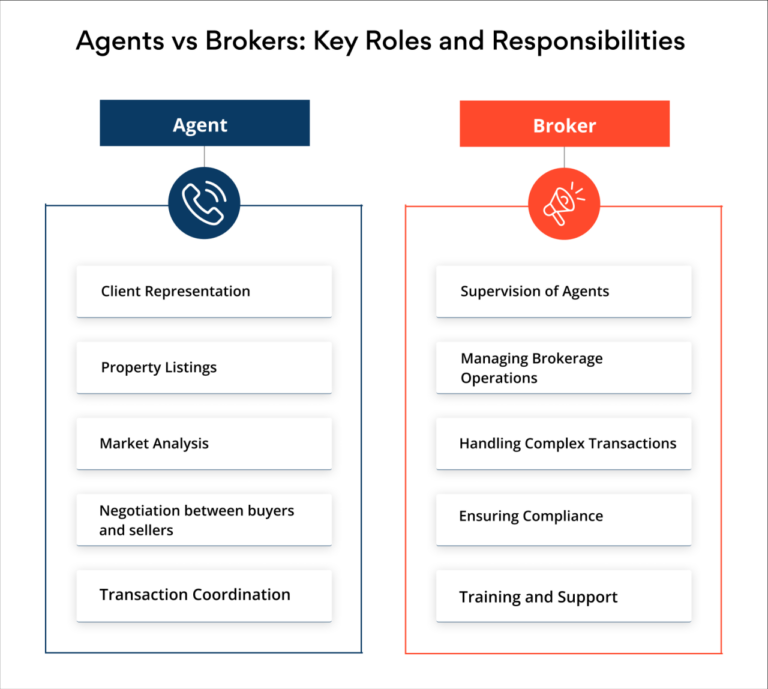
When it comes to acquiring commercial properties, real estate agents play a crucial role in facilitating the transaction process. They act as intermediaries between buyers and sellers, helping to connect the right parties and negotiate deals that benefit both sides.Agent fees in commercial real estate transactions are typically structured as a percentage of the final sale price of the property.
This commission is usually split between the buyer’s agent and the seller’s agent, with each party receiving a portion of the total fee. The percentage can vary depending on the market, location, and specific agreements between the agents and their clients.
Real estate agents help buyers navigate the complex process of acquiring commercial properties by providing valuable market insights, identifying suitable properties, and negotiating the best deal possible. They also assist with due diligence, property inspections, and obtaining necessary documentation for the transaction.
Expertise: Agents have specialized knowledge and experience in commercial real estate transactions, which can benefit buyers who may not be familiar with the process.
Network: Agents have connections to other industry professionals, such as lenders, appraisers, and inspectors, that can streamline the acquisition process.
Negotiation Skills: Agents are skilled negotiators who can help buyers secure the best possible deal on a property.
Cost: Agent fees can add significant expenses to the overall acquisition costs, reducing the buyer’s potential profits.
Conflict of Interest: Agents may prioritize their commission over the buyer’s best interests, leading to potential conflicts during the negotiation process.
Dependency: Relying on agents for every aspect of the acquisition process can limit the buyer’s ability to make independent decisions and choices.
What are the key factors to consider during due diligence?
Key factors include assessing property condition, evaluating market trends, and reviewing legal documentation to ensure a sound investment.
How can investors optimize tax benefits when acquiring commercial properties?
Investors can optimize tax benefits by leveraging tax deductions, utilizing 1031 exchanges, and structuring ownership entities strategically.
What are the advantages of working with real estate agents in property acquisitions?
Real estate agents provide market expertise, negotiation skills, and access to off-market properties, but may come with added costs and potential conflicts of interest.